
What is Hard Money?
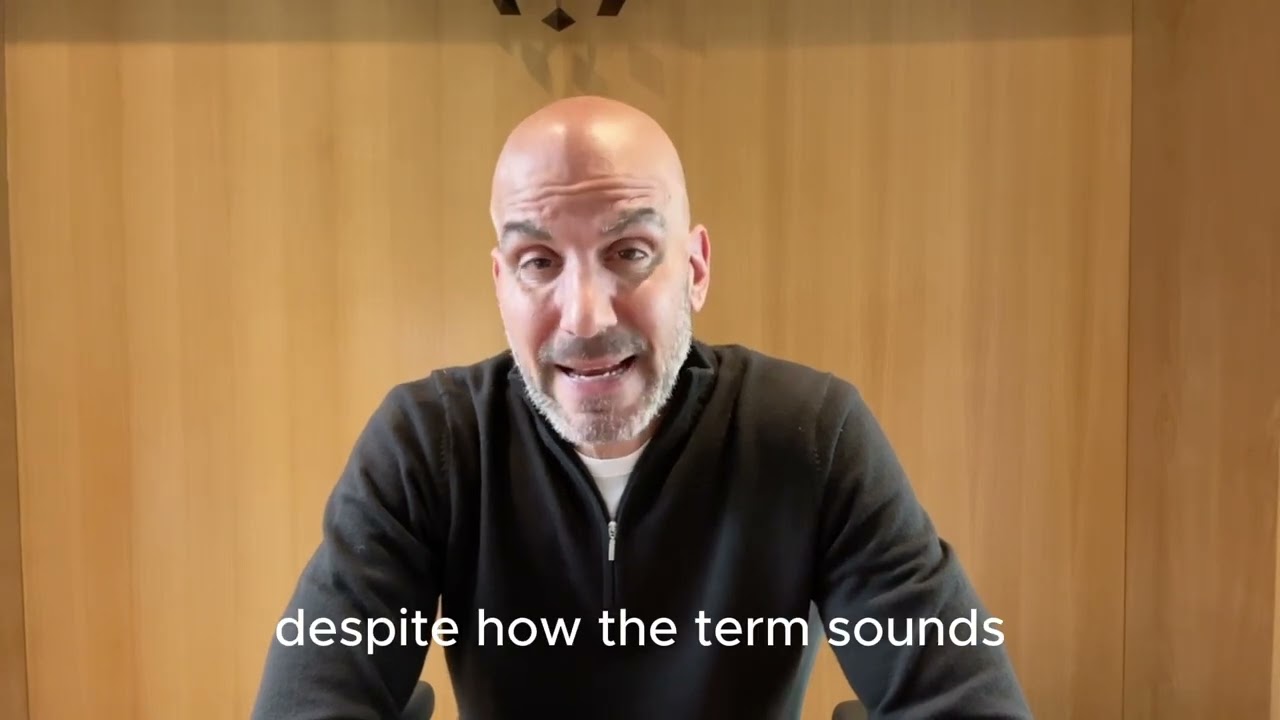
What Is Hard Money and Why Texas Real Estate Investors Use It
Hard money lending is one of the most misunderstood tools in real estate investing.
In reality, it is often the fastest and most practical way for Texas investors to fund deals.
Below is a simple breakdown of how hard money works, why it is different from banks,
and how investors across Texas use it to move faster and make smarter decisions.
What Is a Hard Money Loan?
A hard money loan is a short term, asset based loan used to purchase or refinance investment property.
Instead of focusing on personal income or tax returns first, hard money looks at the property and the deal.
Hard money lenders typically focus on:
- The property itself
- The deal numbers
- The exit strategy
This is why hard money is commonly used for fix and flips, rental purchases, and value add properties where timing matters.
Hard Money vs Banks
Banks are built for homeowners. Hard money is built for investors. Here is the difference in real life.
Traditional Banks
- Long approval timelines
- Heavy documentation
- Strict income requirements
- Appraisals can slow everything down
- Limited rehab funding
- Less flexible underwriting
Hard Money Lending
- Faster approvals and closings
- Cleaner process for investors
- Deal based underwriting
- Rehab funds can be included
- Structured around your exit strategy
- Made for repeat investing
banks ask “do you qualify?” hard money asks “does this deal work?”
Hard Money Lending Across Texas
Texas is one of the most active real estate markets in the country. Investors use hard money to compete
in fast moving situations across the entire state.
Houston
San Antonio
Austin
Smaller Texas cities
Whether you are buying your first investment property or scaling a portfolio, hard money helps you move at the speed of opportunity.
Get Real Numbers Before You Buy
One of the biggest mistakes new investors make is guessing. Smart investing starts with real numbers, not assumptions.
Deal analysis usually includes:
- Purchase price
- Rehab costs
- After repair value
- Holding costs
- Projected profit or cash flow
When you run real numbers, you make smarter decisions and avoid expensive surprises. That is why deal analysis matters.
Why New Investors Often Start With Hard Money
Hard money is not only for experienced investors. Many first time investors use it because it helps them learn the process
while moving faster than a bank.
- Easier path to approval than traditional lending
- Clear structure based on the deal, not paperwork
- Speed and certainty when sellers want quick closing
- A disciplined focus on numbers and exit strategy
Ready to Talk About Your Goals?
If you are looking at a deal anywhere in Texas, we can help you get clarity fast.
Talk with us about your goals, your experience level, and the numbers behind the deal.
No pressure. Just real feedback and real options built for investors.
 Mike Hanna is a real estate investor, mentor, author, and public speaker. He has been an active real estate investor since 2002 in both single family and multi-family properties, and has been in the hard money business since 2005.